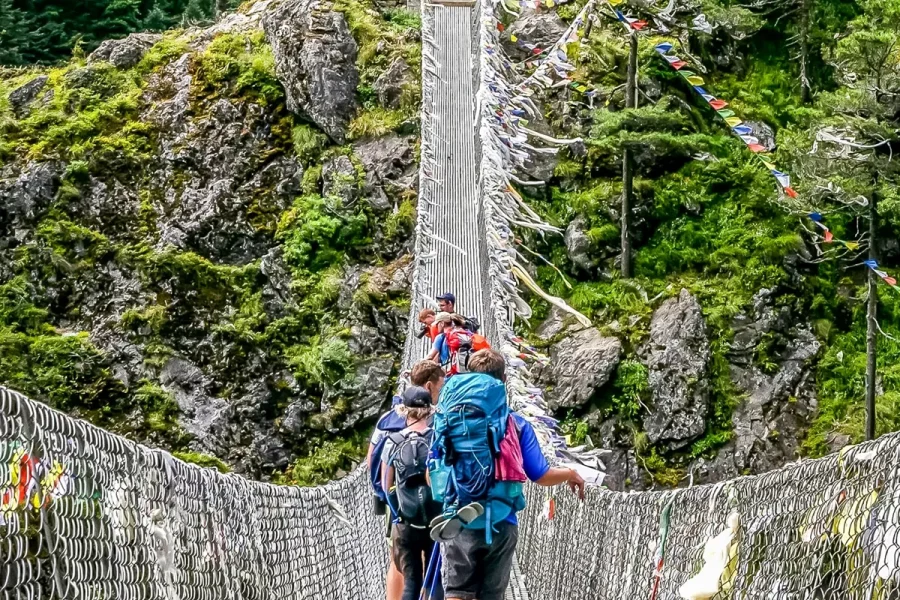

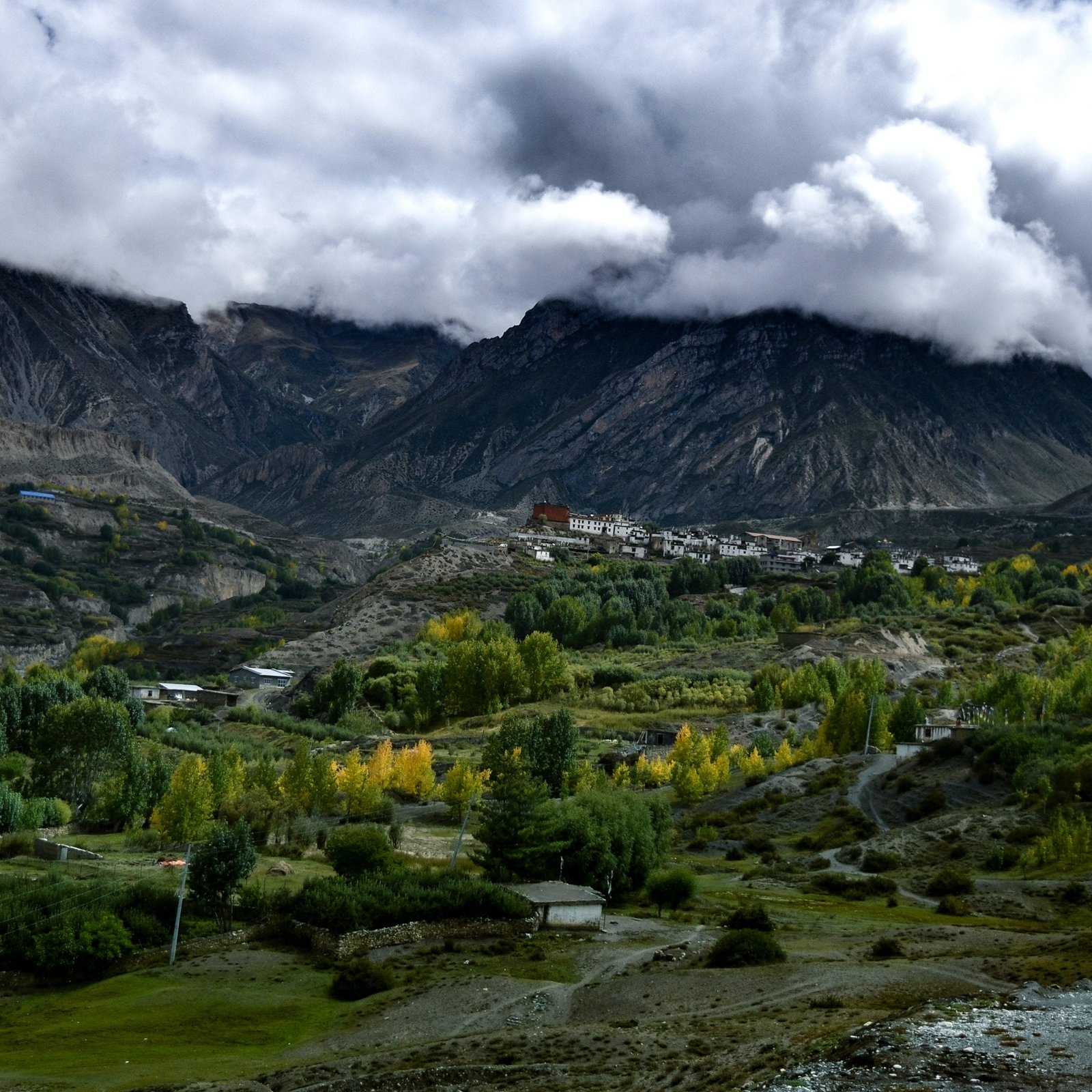
Nestled in the heart of the Himalayas, Nepal is a country of unparalleled natural beauty, spiritual richness, and adventure. From snow-capped mountains and pristine forests to ancient temples and bustling cities, Nepal offers something for every traveler seeking a wellbeing escape. Explore the breathtaking landscapes, immerse yourself in the local culture, and discover the true meaning of wellness in Nepal.
SPRING|March-May: This is the peak season for tourism in Nepal, so expect larger crowds and higher prices. It’s best to book your accommodations and activities in advance. Mild and sunny, averaging 20°C to 30°C (68°F to 86°F). The skies are clear, making it a great time for trekking, hiking, and other outdoor activities. The rhododendrons and other wildflowers are in full bloom, making for stunning natural scenery. This is a great time for nature walks, bird watching, and photography.
SUMMER|June-August: A good time to learn about the local culture and festivals, as many Nepali festivals such as Teej Festival fall during this season. The weather is hot and humid averaging 25°C to 35°C (77°F to 95°F). This is the monsoon season in Nepal, with frequent rain showers and occasional thunderstorms making it a great time to experience the lush greenery and waterfalls that are abundant during the monsoon season. You can go for nature walks, visit hot springs, or practice indoor yoga and meditation.
AUTUMN|September-November: Due to the mild and sunny weather, averaging 20°C to 30°C (68°F to 86°F). This is another peak season for tourism in Nepal just like Spring, so expect larger crowds and higher prices. Some of the most popular trekking routes in Nepal, such as the Annapurna Base Camp Trek and the Langtang Valley Trek, are best done during the autumn season. This is also a good time to practice yoga and meditation, as the weather is pleasant and the natural scenery is at its most beautiful.
WINTER|December-February: The low season for tourism in Nepal, so expect lower prices and quieter accommodations. The weather is cold, especially in the mountainous areas with an average of 10°C to 20°C (50°F to 68°F). Take advantage of the smaller crowds by visiting cultural heritage sites in Kathmandu and other cities. Some of the trekking routes in the mountainous areas may be closed due to snow and ice, so be sure to check the conditions before planning your trip. This is a great time to experience winter sports and activities such as skiing, snowboarding, and snowshoeing.
Currency: Nepalese rupee (NPR). US dollars are also widely accepted in tourist areas.
Language(s): The official language of Nepal is Nepali, but there are over 100 different languages spoken in the country such as Maithili, Bhojpuri, Newar. English is widely spoken in tourist areas and is the language of business and education.
Visas: Foreign nationals require a visa to enter Nepal, which can be obtained on arrival at the airport or at Nepalese embassies and consulates abroad. Tourist visas are valid for 15, 30, or 90 days and can be extended up to a maximum of 150 days. For more information on visa requirements and application procedures, visit the official website of the Department of Immigration, Nepal.
Dialing code: +977
Time zone: (GMT+05:45)
Vaccinations:
It is recommended to be up to date on routine vaccinations before traveling to Nepal, including measles, mumps, rubella, polio, and the flu. Additionally, the following vaccines may be recommended for certain travelers: Hepatitis A and B, Typhoid, Japanese encephalitis, Rabies , Meningitis, Yellow fever (if arriving from a country with risk of yellow fever transmission). Consult with your doctor or a travel medicine specialist at least 4-6 weeks before your trip to determine which vaccines are appropriate for you based on your travel itinerary and medical history.
Travel insurance: is essential for all international travel. Click below to find out more: