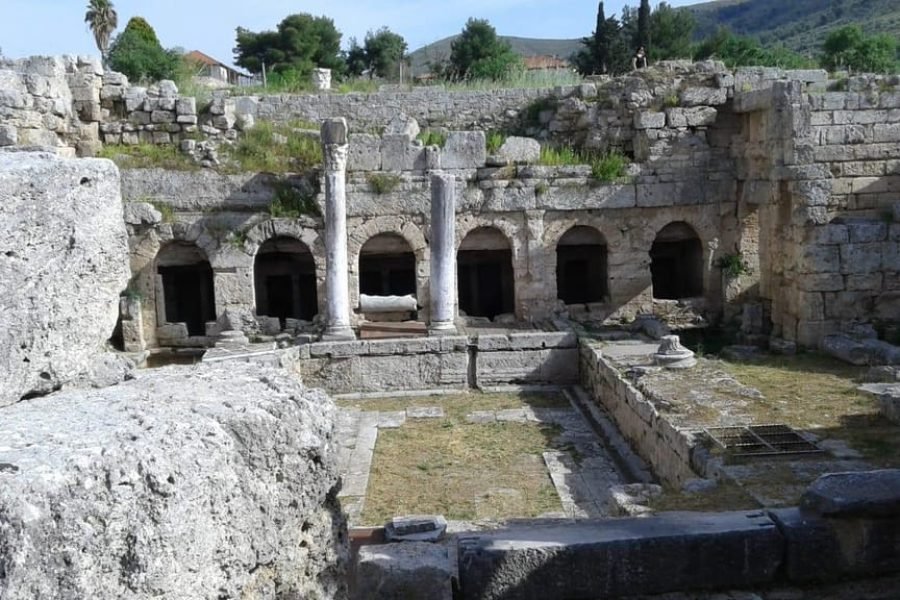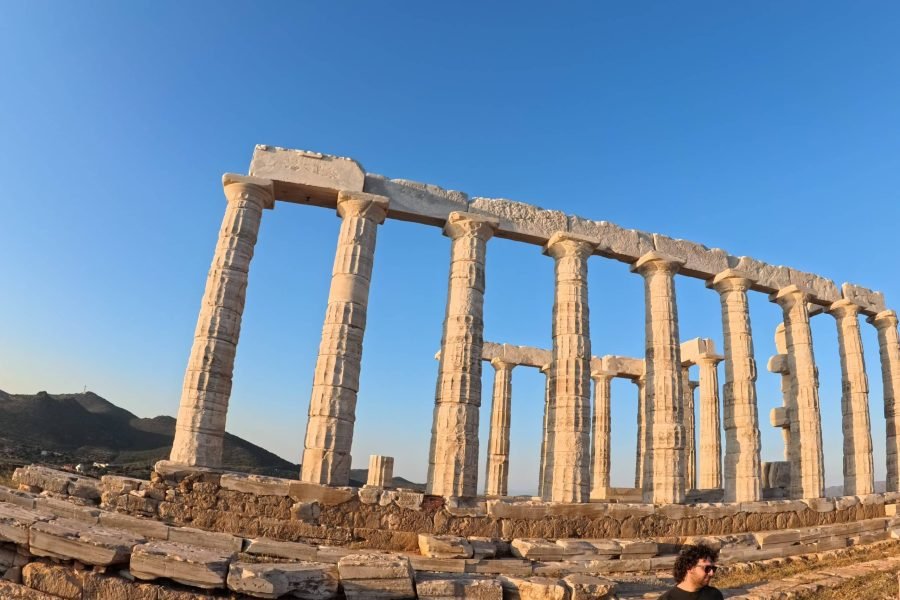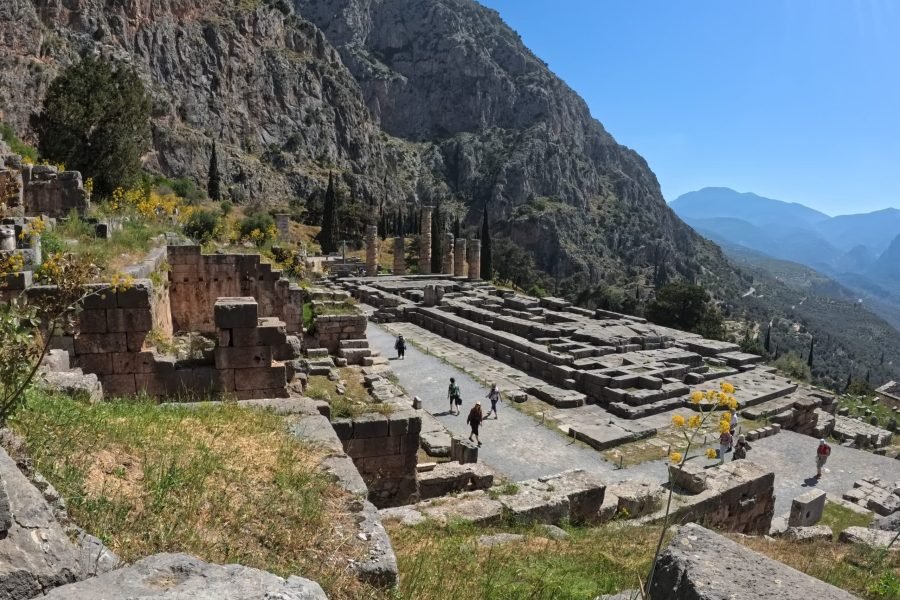



Greece, located in southeastern Europe, is a country steeped in history, known for its ancient ruins, idyllic islands, and Mediterranean allure. From the iconic Acropolis in Athens to the sun-drenched beaches of Santorini and Mykonos, Greece offers a blend of cultural richness and natural beauty. Immerse yourself in ancient mythology, savor the flavors of Greek cuisine, bask in the Mediterranean sun, and experience the warm hospitality of its people.
SUMMER (June – August): Hot and sunny. Summer is the peak tourist season in Greece, especially on the islands. The weather is hot, with temperatures ranging from 25°C to 35°C (77°F to 95°F). It’s an excellent time for beach activities, water sports, and exploring ancient archaeological sites. Popular tourist destinations can be crowded during this season.
AUTUMN (September – November): Mild temperatures. Autumn offers pleasant weather, making it a great time for exploring historical sites and enjoying outdoor activities. The temperatures range from 15°C to 25°C (59°F to 77°F). The landscapes are still vibrant, and there are fewer crowds compared to summer.
WINTER (December – February): Mild and cooler in the north. Winter in Greece is milder compared to other European countries. The southern regions enjoy mild temperatures ranging from 10°C to 15°C (50°F to 59°F), while the northern regions can be cooler. It’s a good time for cultural exploration, especially in cities like Athens and Thessaloniki.
SPRING (March – May): Mild and blooming nature. Spring brings a gradual transition from winter to milder temperatures in Greece. The temperatures range from 10°C to 20°C (50°F to 68°F). It’s a time of blooming flowers, making it ideal for exploring archaeological sites, hiking, and enjoying outdoor cafes.
Currency: The official currency of Greece is the Euro (EUR). Currency exchange services are widely available at banks, exchange offices, and ATMs throughout the country. Credit cards are widely accepted in most hotels, restaurants, and shops.
Language(s): The official language of Greece is Greek. English is commonly spoken and understood, especially in tourist areas, hotels, and restaurants.
Visas: Most visitors from countries within the European Union (EU) and the Schengen Area do not require a visa to enter Greece for short stays. Visitors from other countries should check the visa requirements based on their nationality before traveling to Greece.
Dialing code: +30
Time zone: (GMT+03:00)
Vaccinations: There are no specific vaccinations required for entry into Greece. It is advisable to be up to date on routine vaccinations and consult with your doctor or a travel medicine specialist for personalized advice.
Travel insurance: is essential for all international travel.